Dropping your phone and watching the screen shatter is painful enough, but then comes the real agony of wondering how long you’ll be without it. It honestly feels longer than waiting for your food delivery that’s been “two minutes away” for half an hour, or watching paint dry while listening to elevator music. Repair times can differ quite a bit depending on the type of damage, the phone model, and the availability of parts. This blog breaks it all down and answers the big question: “How long does a phone repair take?”
What Determines How Long a Phone Repair Takes?
Repair times aren’t pulled out of thin air, even if it sometimes feels that way. Here’s what actually drives the timeline.
1. Type of Phone Damage
A cracked screen or a dead battery on a common phone model is usually hunky dory within an hour to two hours, but liquid damage or a temperamental motherboard demands much more time. Those messier cases involve thorough diagnostics and delicate hands-on work that can realistically take anywhere from a few days to a couple of weeks.
2. Phone Model and Brand
Parts for popular iPhones and Samsung devices are typically stocked and ready, which keeps turnaround times refreshingly short. Less popular and older models often need components tracked down and ordered in, adding one to a few days to the timeline before the actual repair even begins.
3. Severity of the Damage
A hairline crack can be handled quickly, but a phone that looks like it lost a fight with concrete tells a very different story. Microsoldering and chemical cleaning for severe internal damage are processes that genuinely cannot be rushed without turning a fixable phone into an expensive paperweight.
4. Availability of Replacement Parts
No part, no repair, it’s that simple. Flagship components are usually on hand, but rare and brand-new models can keep everyone waiting between one and a few business days before anything gets started.
5. Repair Shop Experience and Equipment
Skilled technicians with proper tools get through complex repairs faster and with way fewer surprises hiding along the way. Shops without the right equipment sometimes outsource certain jobs, and that added shipping time never feels as short as advertised.
6. Walk-In vs. Appointment Repairs
An appointment repair is when a technician and the necessary parts are already waiting for you, making the whole experience much smoother because you know exactly what to expect. Walking in unannounced means joining whatever queue has already formed, which on a busy afternoon could outlast even the most ambitious lunch break.
Average Phone Repair Times by Repair Type
Here’s an honest look at what to expect before handing over your device.
1. Screen Replacement
A screen swap on most popular models takes under an hour when the part is already on the shelf. iPhones tend to move faster, while Samsung phones take a little longer due to the precise resealing required for their water resistance. Either way, same-day service is the norm for common models.
2. Battery Replacement
Battery swaps are among the quickest fixes possible, often done within 30 minutes to two hours. Water-resistant devices take slightly longer since their adhesive seals need careful handling before the phone gets closed back up.
3. Charging Port Repair
Ports soldered directly onto the logic board require considerably more patience than a simple modular swap, pushing most jobs to between an hour and two hours.
4. Camera Repair
Front cameras often require the screen assembly to come off first just to reach them, pushing timelines toward the longer end of the one to two-hour window. Devices with Face ID need post-repair calibration in order to confirm all security features survived the process.
5. Speaker and Microphone Repair
Speakers and microphones are frequently buried so deeply that the repair feels like an excavation, with some completion times nearing the two-hour mark. Microphones requiring precision soldering reliably land at the less exciting end of that estimate.
6. Button Repair (Power/Volume/Home)
Power and volume buttons often share a single flex cable that wraps around the interior, meaning the battery and the motherboard sometimes need to be removed just to access it, pushing timelines to up to three hours. Touch ID home buttons add calibration time on top of that to make sure biometric security keeps functioning properly afterward.
7. Water Damage Repair
Water damage is genuinely the wildcard of phone repairs, stretching anywhere from a few hours to a few weeks, depending on how far the moisture decided to explore. Ultrasonic cleaning and a mandatory drying period come first because powering on a still-wet phone reliably finishes what the water started. Everything moves at the pace the device demands. In many cases, liquid damage may necessitate replacing microchips, further extending the repair timeframe.
8. Motherboard/Logic Board Repair
Logic board repair is the most complex service available, typically taking 2–5 business days when expedited, as it requires microsoldering individual chips under a microscope rather than swapping out a part. Many local shops send these devices to specialized labs, so shipping time is often baked into that estimate as well.
9. Software Repair and Data Recovery
Simple fixes like OS reinstalls wrap up within a couple of hours, but serious data recovery involving chip-off extractions from a dead phone can stretch the timeline to several days. Anyone confidently guaranteeing exact turnaround times here is being more optimistic than the situation usually allows, like too good to be true ads for magical cures for every illness under the sun.
iPhone vs. Android Repair Time Comparison
Apple’s limited lineup means repair shops usually have iPhone parts sitting on the shelf, making same-day service the happy norm and not the exception, unless it’s a super-new or rare model. But Android is an entirely different beast because there are so many of these phones, with Samsung and Pixel devices turning around fairly quickly, while brands like OnePlus and Motorola sometimes require parts to be tracked down, adding days that nobody was planning for. OEM parts keep everything working as intended, but aftermarket alternatives, even though they’re cheaper and quicker to source, occasionally cause compatibility surprises that extend the timeline anyway.
Same-Day and Other Quick Phone Repairs
Most common repairs wrap up in an hour or two once parts are ready, so there are no overnight stays for your phone, unlike your car.
- Screen replacements: A full screen swap takes around 45 to 90 minutes, just enough time for you to grab a coffee and return to a display that’s no longer a jigsaw puzzle.
- Battery swaps: A battery can get replaced in as little as 30 to 45 minutes, giving your phone the energy it’s been begging for.
- Charging port cleaning: More often than not, a charging problem comes down to compacted lint doing its worst, and a professional cleaning takes very little time to clear things up completely, often something like 15 minutes.
- Minor camera and speaker repairs: A foggy lens or a speaker that sounds like it’s underwater can get sorted out in under two hours. These are standard same-day fixes for most modern smartphones, provided the motherboard’s still good.
Longer Repairs
Some repairs simply refuse to be rushed, and these are the ones worth setting realistic expectations for.
- Water damage: Moisture damage needs 3 to 72 hours of drying and corrosion removal before anyone can even peek at the actual problem, because patience here is cheaper than a replacement.
- Board-level repairs: Microsoldering tiny circuits is not a lunch-break job; it takes 3 to 10 business days, including shipping to specialist labs.
- Rare and discontinued phone models: Hunting down parts for older devices through global suppliers quietly adds 3 to 5 business days to the clock.
- Insurance and warranty-based repairs: Asurion and AppleCare+ claims save money but come with 3 to 7 business days of paperwork standing between you and your phone.
Repair Time at Authorized Service Centers vs. Local Repair Shops
Local repair shops handle common fixes like screen and battery replacements within two hours without requiring an appointment booked days in advance, so you can keep living your life and not have to work around your phone. Authorized service centers bring warranty protection and manufacturer expertise, but strict testing protocols and high demand mean things move at a much more leisurely pace. Securing a same-day appointment there can feel like winning a small lottery, and parts shipped from a central hub stretch things even further. Local shops sidestep that problem by working with the parts they have on hand, making them the clear winner for anyone who wants their phone back before their weekend plans.
Can You Speed Up Phone Repair Time?
Why not? A few smart moves before heading to the shop can be the difference between a fast fix and a painfully long wait.
1. Book an Appointment in Advance
Scheduling ahead ensures a technician is ready for you and the right parts are already set aside before you arrive, so you walk in with a plan rather than joining the back of a very unhappy long queue. Some shops even prediagnose the issue based on your description, trimming time spent at the counter.
2. Choose a Shop with In-Stock Parts
A shop with a solid parts inventory can start working on your phone right away instead of leaving you waiting while a component ships in from who knows where. A quick call ahead to confirm part availability saves you from an unnecessary trip.
3. Back Up Your Data Before Repairs
Walking in with your data already backed up removes one of the biggest time-wasters at the front desk, since most shops need to wipe phones before running diagnostics. Take it as doing your homework so the lesson can actually begin on time.
4. Explain the Problem Clearly
Describing exactly when the issue happens and whether the phone was recently dropped gives the technician a clear head start rather than sending them on a diagnostic scavenger hunt.
What Happens During Phone Repair
Spoiler alert: it’s not magic, just skilled professionals who know exactly what they’re doing.
- Initial diagnostics: Every repair starts with a full evaluation to identify the reported issue and anything else hiding under the surface.
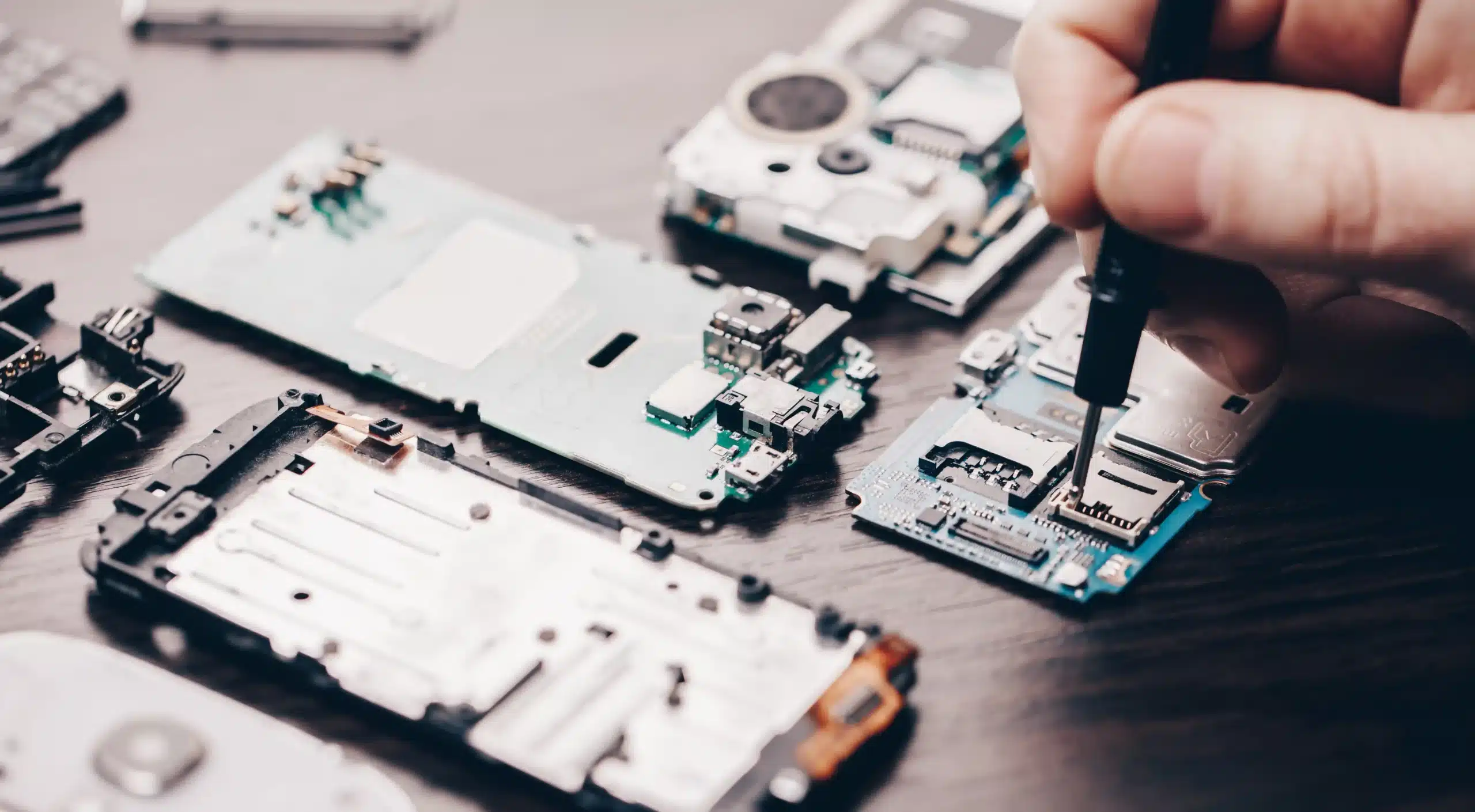
- Repair execution: Specialized tools are used to disassemble the device and replace faulty components without disturbing anything that was working fine.
- Quality testing: The phone only gets cleared once touch response, camera performance, and sensor accuracy all pass, because almost fixed is just another word for broken.
- Final inspection and customer handoff: One last review, a proper cleanup, and you leave with your phone and a full summary of everything done.
Summary
Most common repairs, like screen and battery replacements, are done within two hours, which honestly is faster than most online pizza deliveries. For trickier jobs like water damage or board-level repairs, patience is your best friend since rushing those never ends well. Either way, getting your phone looked at sooner rather than later is always the better move. Stop by 911 Phone Repair in OKC, where certified technicians will fix your device quickly, affordably, and without any of the drama you were expecting.